Phone:
(701)814-6992
Physical address:
6296 Donnelly Plaza
Ratkeville, Bahamas.

Phone:
(701)814-6992
Physical address:
6296 Donnelly Plaza
Ratkeville, Bahamas.
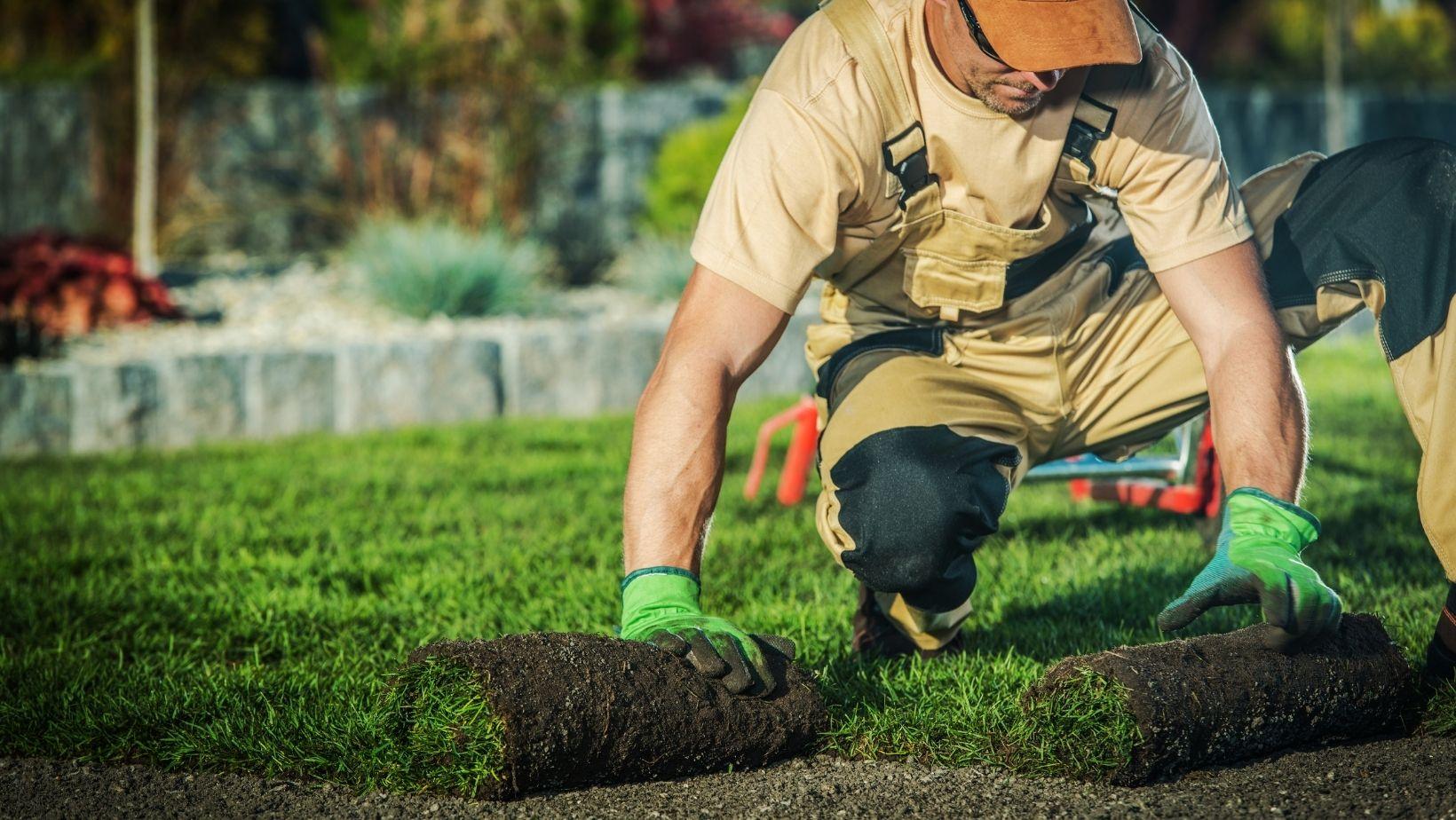
Designing a landscape involves more than choosing plants and placing them around the yard. Every property in the Lehigh Valley is different in terms of slope, drainage, sun exposure, soil type, and size, and those conditions directly affect how the finished landscape will perform. A design that looks great on paper or in a photo may not translate well to a specific yard once seasonal weather, soil conditions, and actual daily use are factored in. Understanding what shapes a successful project from the start helps homeowners make better decisions and get results that hold up over time.
First and foremost, when planning your landscape project, you should be aware of the fact that your land condition determines every other design decision you will make. Yards in the Lehigh Valley experience varying amounts of sun, moisture, soil type, and elevation. Thus, a low part of your yard may have standing water after rain, whereas another part may dry out quite fast in the summer. A slope in your yard may cause drainage issues that need to be addressed before installing any decorations. While most people start their projects with plants or mulch, it would be better to think in advance whether their yard can tolerate these changes without causing future problems. Plants will grow large, casting more shade than planned; roots will spread over time, making your walkways uneven; and grading may direct water towards your house rather than away from it. If you carefully examine the yard for a few months, it can save you money, effort, and unnecessary hassle in future maintenance and care.
A landscaping project should do more than improve how a property looks from the street. It should also match the way homeowners actually use the space throughout the year. Some families want a front yard that feels cleaner and more welcoming, while others need backyard improvements that create room for gathering, relaxing, or safer movement between areas. Knowing the purpose of the project helps shape better decisions about layout, materials, and plant placement. A beautiful design that ignores everyday use can quickly become frustrating if beds are too large to maintain, walkways are too narrow, or open areas disappear under features that do not support how the household lives. Homeowners considering landscaping in Lehigh Valley often benefit from thinking beyond appearance and focusing on how the yard should function during spring rain, summer heat, autumn leaf fall, and winter snow. A property that is attractive and practical will hold its value more effectively over time. When outdoor design supports both visual appeal and daily comfort, the finished result feels more complete and easier to maintain from one season to the next.
One other consideration for homeowners before starting their landscaping projects is the total cost of the undertaking, which extends beyond the initial installation. While it may be tempting to focus solely on the immediate expenses of purchasing plants, hardscape, edging, lighting fixtures, and turf renovations, ongoing maintenance is another crucial component to factor in. A larger planting scheme may require additional pruning, mulching, irrigation, and cleanup throughout the year compared to smaller projects. Stones, walkways, and other hardscape elements will need occasional repairs to keep them tidy and structurally sound. Lawn areas will require regular fertilization, overseeding, and repairs due to adverse weather conditions or extensive use. Projects that seem financially feasible at the onset can quickly become problematic without proper planning for the future.
That does not mean ambitious projects should be avoided. It means they should be planned honestly. Some designs look impressive at installation but become a burden to maintain as the years go on. Choosing a scope that matches both the budget and the time available for upkeep is what leads to long-term satisfaction rather than a yard that feels like a constant project.
Homeowners should also understand that the choice of plants significantly impacts the performance of the landscaping project. Simply picking plants based on their colors and appearances in a garden shop will not yield desirable results. In the Lehigh Valley, variations in weather, precipitation, and seasons affect the behavior of various plants throughout the year. Plants that seem perfect in one location may experience difficulties when transplanted into the yard with different environmental conditions. The size is another aspect homeowners often forget. Some foundation shrubs grow too large for the available space, blocking windows and requiring constant pruning. Planting trees in the wrong place can also cause problems, as their roots can damage structures or require additional maintenance. Seasonal considerations are important as well since the beauty of the landscape should not depend solely on one short flowering season. An ideal arrangement would use plants that provide visual interest throughout the year through structure, texture, foliage, and blooms.
Landscaping projects do not necessarily have to be completed in one step, and homeowners may reap certain benefits by taking some extra time when considering their landscaping plans. In most cases, phasing projects can help owners plan more effectively and build their properties with greater attention to design and development processes. Thus, activities such as drainage correction, grading, or hardscape installation may be required before planting. Furthermore, installing lawns might be easier once heavy construction is complete, to avoid further damage and repair costs afterward. In addition, seasonal factors may be critical in choosing the right time to begin various landscaping projects, given weather conditions. It can easily happen that the start of works, without paying sufficient attention to their phasing, might result in additional work, damaged areas, and an incomplete yard, regardless of the considerable investment made in landscaping. Phasing also helps identify the effects of a change in one element on the overall landscape design. Constructing a new patio might affect yard circulation, while redesigning planting beds might affect the amount of existing lawn.
Before starting a landscaping project in the Lehigh Valley, homeowners are best served by thinking through the property’s function, realistic maintenance requirements, and long-term goals before the first shovel goes in the ground. Good landscaping is not about creating a perfect-looking yard on day one. It is about making decisions that hold up over time. Clear goals, realistic budgets, and the right plant and material choices are what separate projects that look great for years from ones that become a burden to maintain. When those decisions are made thoughtfully, the result is an outdoor space that looks good, works well, and stays that way through everything the Lehigh Valley’s seasons can bring.