Phone:
(701)814-6992
Physical address:
6296 Donnelly Plaza
Ratkeville, Bahamas.

Phone:
(701)814-6992
Physical address:
6296 Donnelly Plaza
Ratkeville, Bahamas.
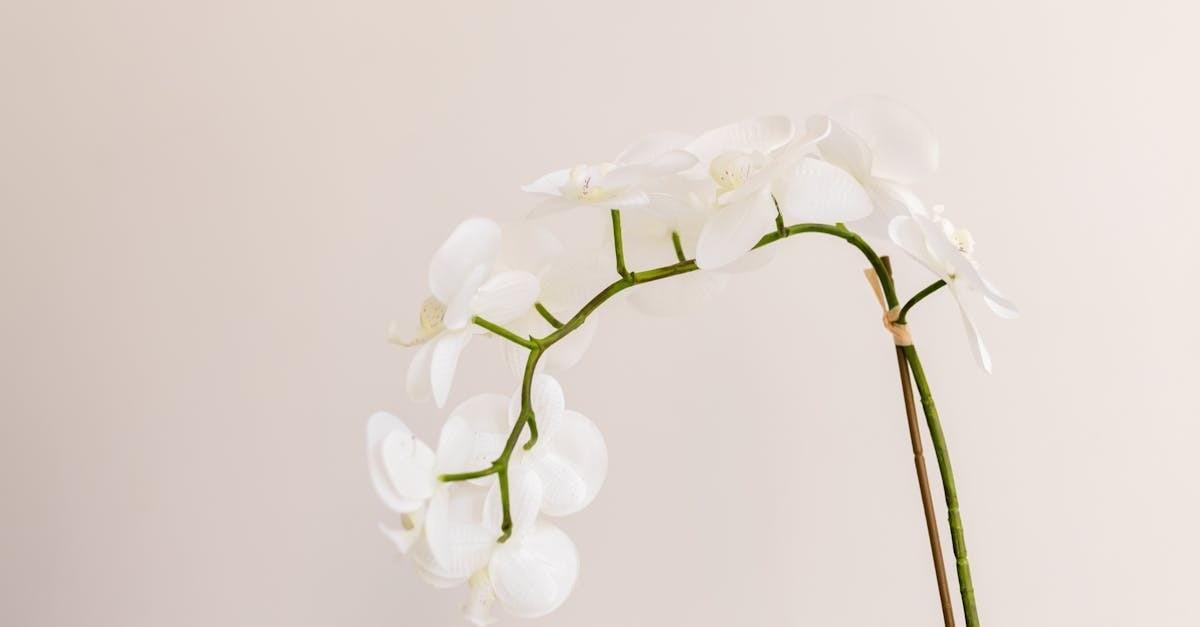
Let’s face it: orchids can seem a bit intimidating. With all their exotic beauty and intricate blooms, we might think caring for them requires a PhD in botany. But fear not. Caring for an orchid plant can be as easy as pie, if pie had delicate petals and a penchant for sunlight. We’re here to debunk the myths around orchid care, so grab your watering can and let’s get started.
Orchids come in a variety of shapes, sizes, and colors, each with its own unique personality. Generally, we like to categorize them into a few major types: Phalaenopsis, Cattleya, Dendrobium, and Oncidium are just a few of the heavyweights in the orchid world. Each variety brings something special to the table. The Phalaenopsis, for example, is known for its stunning flowers and is perfect for beginners. On the other hand, Cattleyas have vibrant blooms and are often chosen for their fragrant flowers. Understanding these characteristics helps us cater to their specific needs as we dive deeper into orchid care.
When it comes to light, orchids are divas, requiring just the right amount to thrive. While direct sunlight might scorch their delicate leaves, low light can stifle growth. We must find that sweet spot. Ideally, most orchids like bright, indirect light. A good rule of thumb is to place our orchids near a window that gets filtered sunlight, using sheer curtains works like magic. Rotate them occasionally so they grow evenly and avoid leaning towards the light source. With the right lighting, our orchids will reward us with beautiful blooms.
Watering orchids can be a delicate balancing act. Overwatering is the number one killer, while underwatering is equally disastrous. Our goal is to create a consistent watering routine. A general rule we follow is to water our orchids every 1 to 2 weeks during the growing season and cut back in the winter. We can easily check moisture by sticking a finger into the soil, if it feels dry, it’s time for a drink. When we do water, it’s crucial to soak the pot thoroughly, allowing excess drainage. Orchids love to breathe. So, let’s be diligent here.
Fertilizing is a vital step that many of us might overlook. Orchids benefit from a good feeding every 2-4 weeks. We recommend a balanced orchid fertilizer, look for something with a 30-10-10 ratio. This will provide them with the nutrients they need during active growth. When we fertilize, it’s best to dilute the solution to about half the recommended strength. This avoids burning the delicate roots. During the rest period, we can scale back on the fertilizer, allowing our orchids to rest and rejuvenate.
Orchids are unique in their potting needs, requiring materials that promote good drainage. A bark-based potting mix is ideal because it mimics their natural habitat where they grow on trees rather than in soil. When the time comes to repot, usually every 1-2 years, we should carefully transfer the plant to a slightly larger pot. It’s crucial to do this in early spring, right before the growing season begins, to avoid shock. Remember, ensuring the roots can breathe is our priority.
No gardener enjoys dealing with pests, and orchids are no exception. Common culprits like aphids, mealybugs, and spider mites can wreak havoc if we don’t stay vigilant. Keeping our orchids in peak health is the best defense, but we should also inspect them regularly for any signs of trouble. In case we do spot an infestation, treating our orchids with insecticidal soap or neem oil can help nip the problem in the bud without being harmful to the plant. Awareness and quick action can make all the difference in keeping our beloved orchids blooming beautifully.